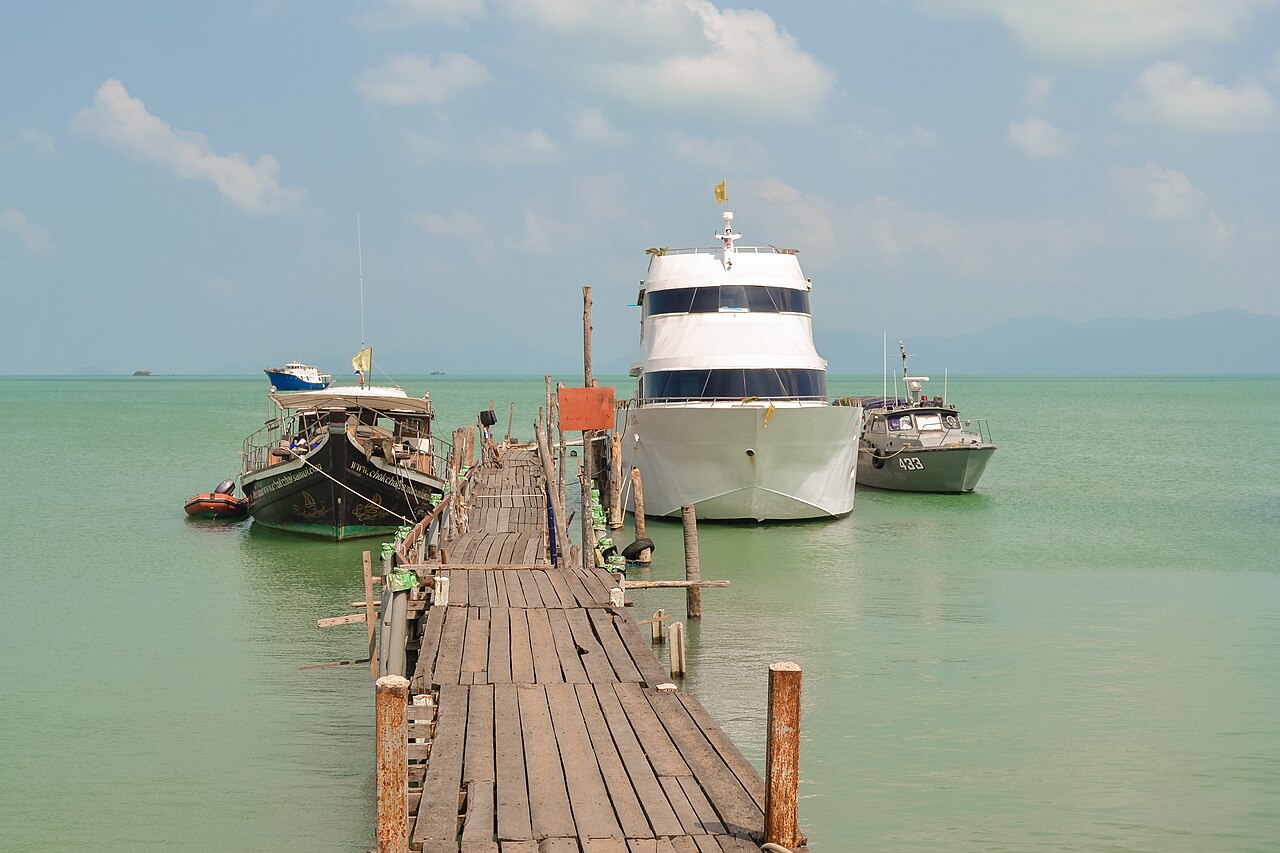
The best seafood meal on Samui usually isn't in the menu folder — it's on the ice display out front. Walk the tray, point at what you want, watch it weighed by the kilo, then sit at a table with your feet in the sand while the charcoal does its work. This guide shows you how to pick well, order well, and not overpay.
Picture it: the sun easing down over the Gulf of Thailand, and along the beach the restaurants start hauling out their ice displays. Tiger prawns laid out in rows, blue crabs with their claws tied, sea bass with clear eyes resting on crushed ice, squid gleaming. You browse slowly, point at the ones you want, and the staff lift them onto the scale where you can see the number. Grilled or steamed? You pick, then walk to a table whose legs are planted in the sand. Twenty minutes later, the prawns you chose arrive with char marks and a fierce green seafood dipping sauce — this is how Koh Samui eats the sea, and it beats ordering from a laminated menu.
Samui is a Gulf island in Surat Thani province. Part of the catch comes from small boats working the waters around the island and fishing communities like Hua Thanon; part crosses from the Don Sak–Surat Thani mainland, a coast known for its plump oysters. The pick-by-weight system is the heart of eating here: the seafood sits on ice with a per-kilogram price sign, and you control the freshness, the size and the cooking. There are a few things to watch for, though — like signs quoting per 100g in small print, or displays with no prices at all — so we'll take it step by step. For the bigger picture of what to eat across the island, read our Koh Samui food guide alongside this.
Follow this order at any beachfront grill and you'll get fresh seafood, a fair bill, and a meal that ends with no sour taste
Point at the ice tray, then tell the kitchen this — prices are rough ranges that move with size, season and location
Not every restaurant — but go in knowing the game and the meal ends well
Let's say it plainly — seafood on an island costs more than on the mainland, full stop. Some of the catch crosses by boat, and beachfront rent is steep. That part is fair. What needs watching is that some restaurants in the tourist strips price with a built-in haggle margin, write ambiguous signs, or post no prices at all. The classic case is the per-100g sign in small print, which makes a ฿1,000-plus fish read like a few hundred — and the shock arrives with the bill. There are plenty of straight-dealing restaurants; you just need to pick them deliberately.
The second thing is "today's catch". During the Gulf monsoon (roughly Oct–Dec) the seas turn rough, small boats go out less, and some local seafood gets scarce — so restaurants may substitute frozen or mainland stock. That's not a scam, but you're entitled to ask, "Which of these came in today?" A good restaurant answers instantly and points. Finally, the doorway touts: along the Chaweng beach road, staff stand outside waving menus. It doesn't mean the restaurant is bad — but don't let the loudest pitch decide for you. Look at the ice, look at the price signs, and choose with your own eyes.
1
The lane of old wooden shophouses in Bophut is the island's best-atmosphere dinner zone. As evening falls, the waterfront restaurants light up and set their seafood displays out front, with the back rows of tables right on the sand. Made for couples and anyone who wants a long, slow meal with the waves close by. Prices run a little above the island average for the setting. Land here on a Friday and the whole street becomes the island's busiest walking-street market — see our Fisherman's Village night market guide.
2
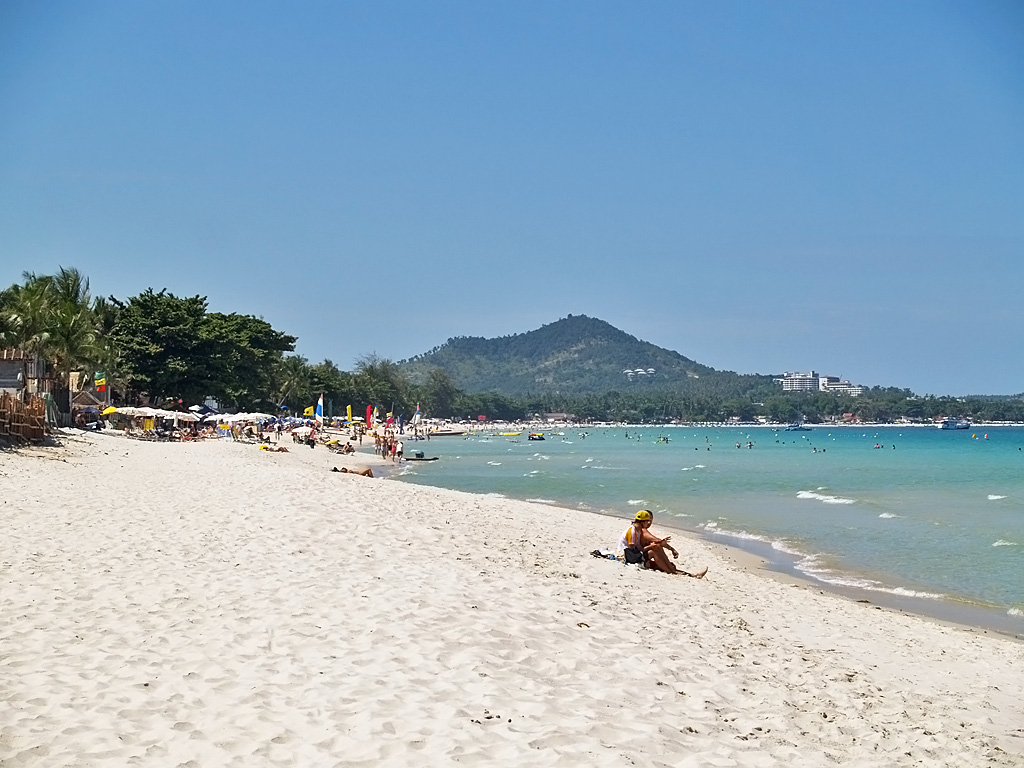
Samui's main beach is where the ice displays are thickest — grills line the beach road and the sand itself. The biggest choice, the easiest price-comparing, and the latest closing times, which makes it the natural first-night option or the default if you're staying here anyway. The trade-off: this is also the zone with the most haggle-margin pricing and doorway touts. Run the full anti-overcharge checklist above and the good restaurants are easy to find.
3
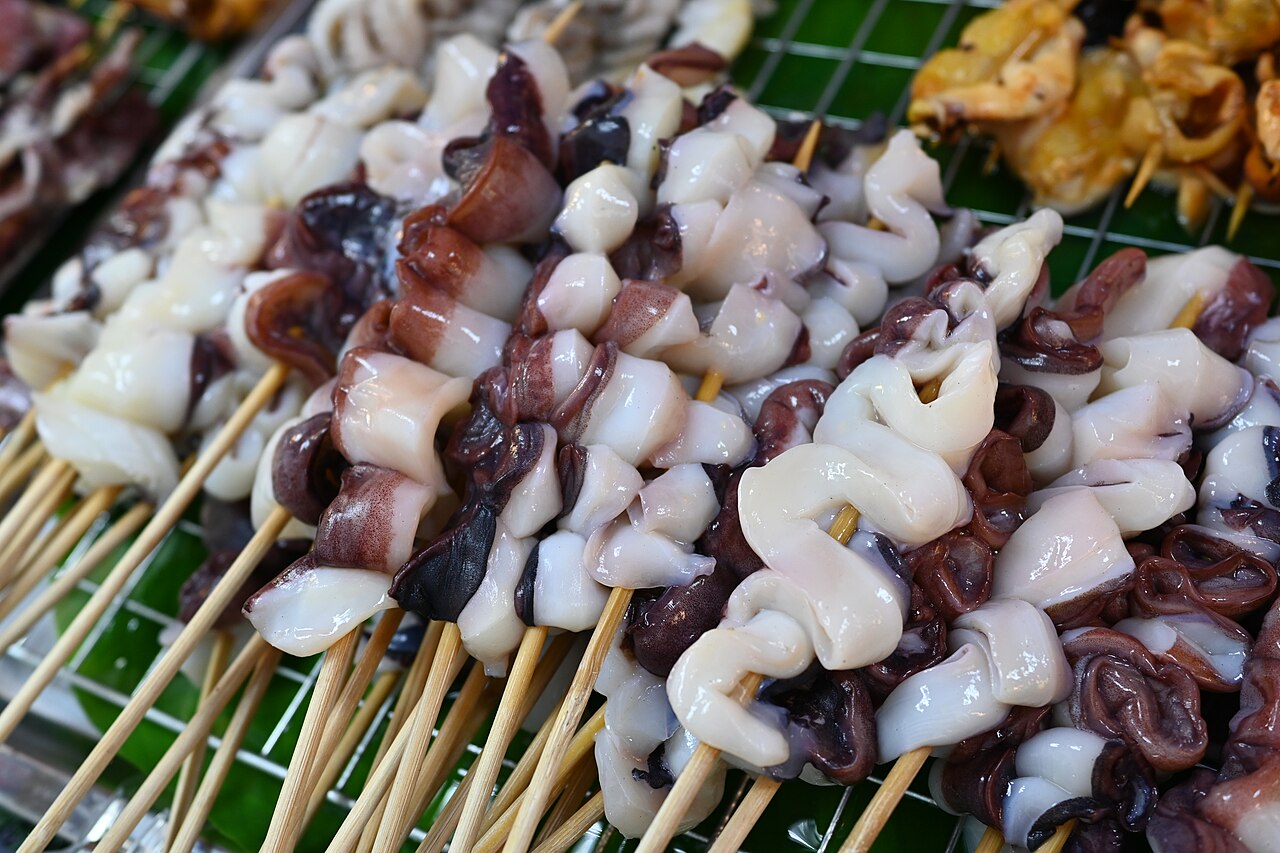
For local prices and seafood straight off small boats, drive past the main strips. The fishing community of Hua Thanon (just south of Lamai) has a morning market where the catch comes up from the boats. For a sit-down meal, the long-standing names people keep mentioning are Sabeinglae south of Lamai, known for fierce southern-Thai flavours, and Bang Por Seafood, an old-timer by the water on the northwest coast. Both are restaurants rather than beach grills, and clearly more local on price than Chaweng.