Home Kyoto Kyoto Attractions Kyoto Hotels About
Home  ›  Japan  ›  Kyoto  ›  Activities & Tickets
🎌 Kyoto · Experiences to Book Ahead · 2026

Things to Do in Kyoto
Wear a kimono, sip tea, walk the bamboo, watch for geisha

Kyoto has more free temples and old lanes than you could ever walk in a week — but there is another set of experiences you have to book ahead. Put on a kimono in Higashiyama, sip matcha in a tea ceremony, ride the Sagano scenic railway: the things you will still be talking about long after you fly home.

Experiences to book

Not just seeing the place — becoming part of it for an afternoon

Kiyomizu-dera is beautiful even if all you do is climb up and look. But put on a kimono and walk the Sannenzaka stone slope, slowly sip matcha to the rhythm of a tea ceremony in a tatami room, or ride an old wooden train along the Hozugawa gorge — and it becomes something else entirely. The difference is doing it, not just walking past.

This page gathers 9 experiences that need a booking or a ticket — different from our Kyoto attractions guide, which is about the places you can explore on your own. This is the list that people come home and agree on: "I'm so glad we booked that." Every one has a Klook link so you can lock it in right here.

9 experiences

Book first — no regrets

Ordered by how often people rave about them afterwards — with price ranges, timings and how to get there.
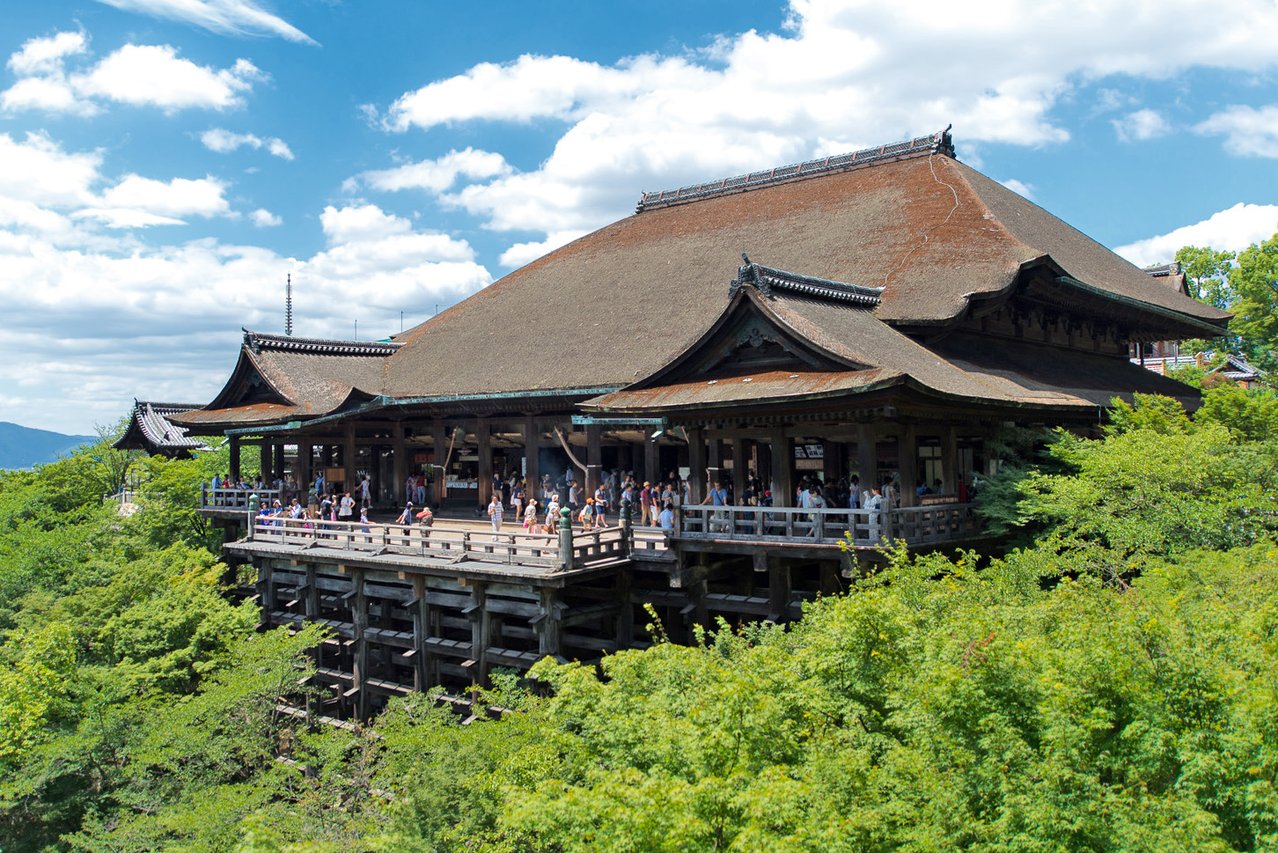
Kiyomizu-dera temple, Kyoto — its raised wooden veranda above a green hillside, the backdrop for walking Higashiyama in a kimono 1
Rent a Kimono and Walk Higashiyama
着物レンタル・東山散策 · Kiyomizu and Sannenzaka in traditional dress

You have seen the photo — someone in a kimono on an old stone lane with a pagoda behind them. That is the Higashiyama district around Kiyomizu-dera. Rent an outfit at a shop near the station, choose a pattern you like, let the staff dress you and set your hair, then head out to take photos along Sannenzaka and Ninenzaka, stone slopes that feel like a step back into the Edo period. Honestly, if you are coming to Kyoto at all, it is well worth doing once. Collect your outfit early in the day so you have time to walk before the crowds arrive.

Price: ¥3,000–5,000 (~฿660–1,100) per day, garment + obi included (hair styling usually extra)
Time: Return the outfit before closing, ~5–6 pm · book ahead in cherry-blossom / autumn-leaves season
Getting there: Most shops are near Kiyomizu-Gojo or Gion-Shijo station (Keihan Line)
Book on Klook →
🍵2
Traditional Tea Ceremony
茶道体験 · The way of chado in a quiet tatami room

Picture a small tatami room, so quiet you can hear the water come to the boil, as the host slowly whisks the matcha into a froth and offers you the bowl with both hands — that is the heart of the tea ceremony Kyoto has practised for hundreds of years. Most classes for visitors are in the Gion district, with an English-speaking host who walks you through every step without any pressure, and you get to whisk a bowl yourself. It is calmer and more memorable than you might expect. For a deeper dive, read our Japanese tea ceremony guide.

Price: ¥3,000–6,000 (~฿660–1,320) per person, depending on the package
Time: Core ceremony ~45–60 min (longer if it includes a kimono rental)
Getting there: Mostly in Gion, near Gion-Shijo / Kawaramachi station
Book on Klook →
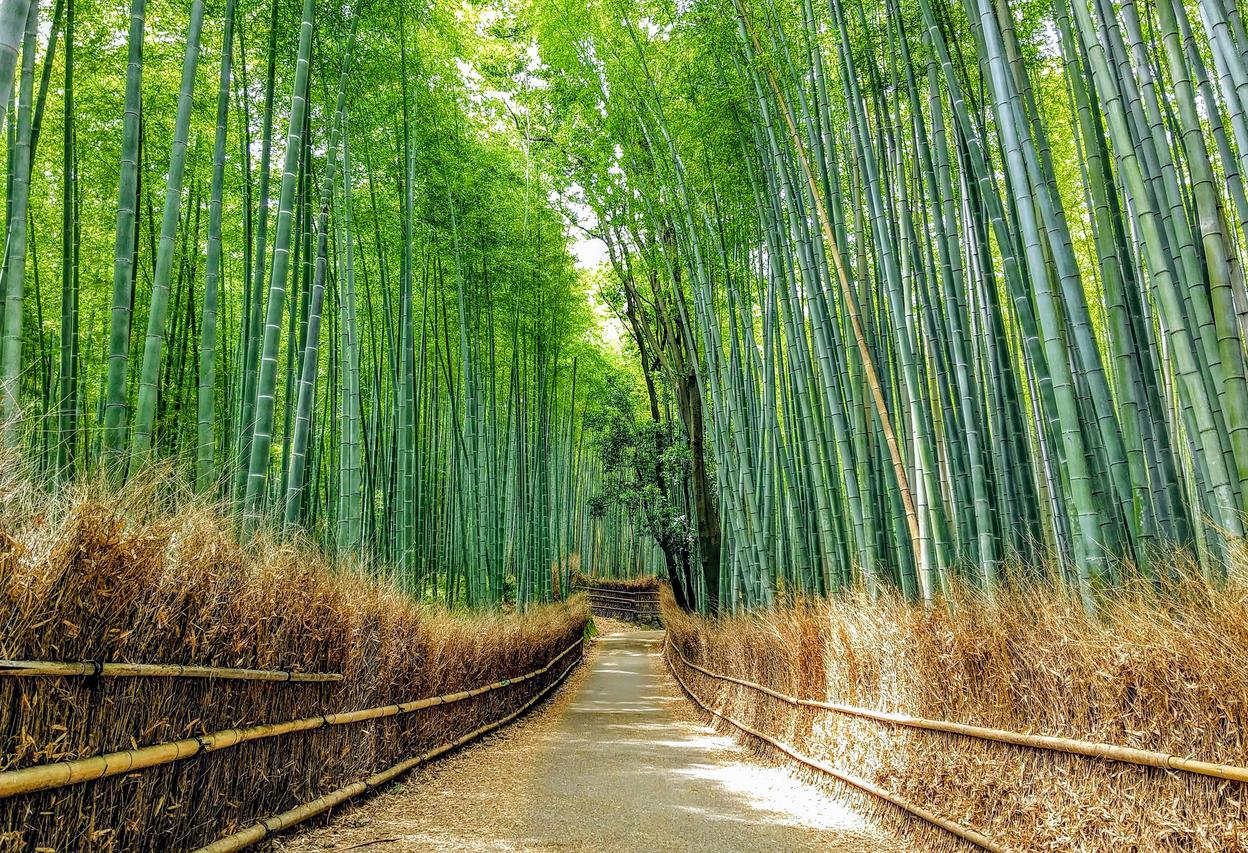
Arashiyama bamboo grove, Kyoto — a path winding through towering green bamboo, sunlight filtering down through the canopy 3
Arashiyama Bamboo Grove + Sagano + River Boat
嵐山・竹林 · Walk the bamboo, cruise the Hozugawa

The Arashiyama bamboo grove is the image everyone pictures when they think of Kyoto — walking beneath towering bamboo, the stalks creaking against each other in the wind in a sound the Japanese government has officially listed among its "100 soundscapes to preserve." The grove itself is free, but what many people book is a tour that combines the Sagano scenic railway with a Hozugawa river-boat ride (about ¥6,000) back down — the grove, the gorge and the river all in one trip. Go early in the morning to get the shots before it fills up. More at our Arashiyama guide.

Price: Bamboo grove free · combined train + boat tours priced by package
Time: Grove open 24 hr · go at dawn or near dusk to dodge the crowds
Getting there: JR Sagano Line to Saga-Arashiyama, ~11 min from Kyoto station, then a ~10-min walk
Book tour on Klook →
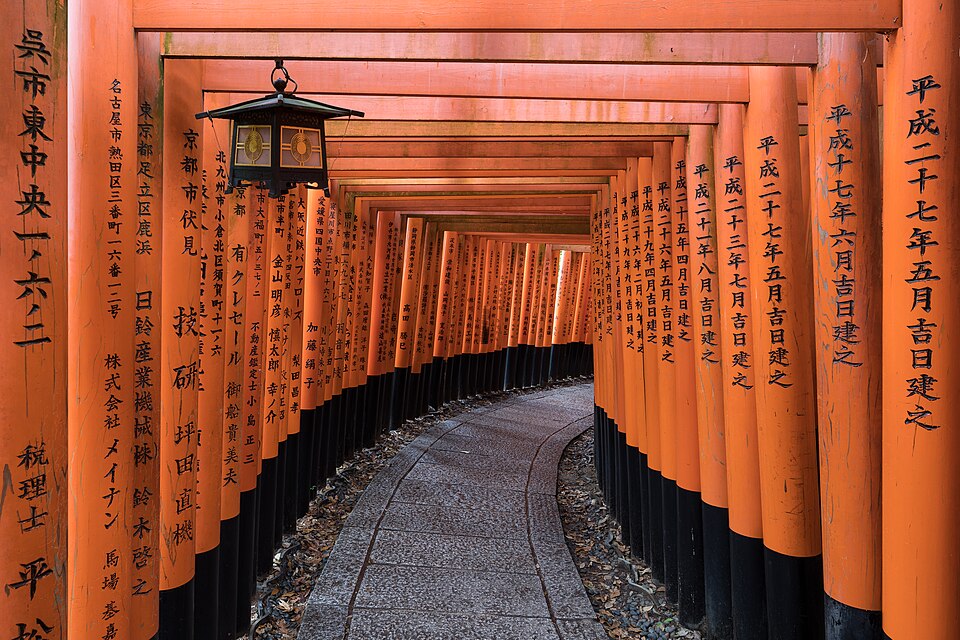
Fushimi Inari shrine, Kyoto — tunnels of vermilion torii gates stacked one after another up the mountainside, with hanging lanterns 4
Fushimi Inari Tour — Early Before the Crowds
伏見稲荷大社 · Thousands of vermilion torii gates

Thousands of vermilion torii gates threading up Mount Inari — the Senbon Torii here is the image of Japan everyone wants to see for themselves. The shrine is free and open 24 hours, but the trick is to arrive before 8 am or near dusk; by mid-morning it is so packed that photos are hard. Many people book a guided tour that explains the legend of Inari (the deity of rice and prosperity) and takes you up the quieter trails. More at our Fushimi Inari guide.

Price: Shrine free · guided tours priced by package
Time: Open 24 hr (shops 9 am–5 pm) · dawn is best
Getting there: JR Nara Line to Inari (~5 min from Kyoto station), right at the shrine entrance
Book tour on Klook →
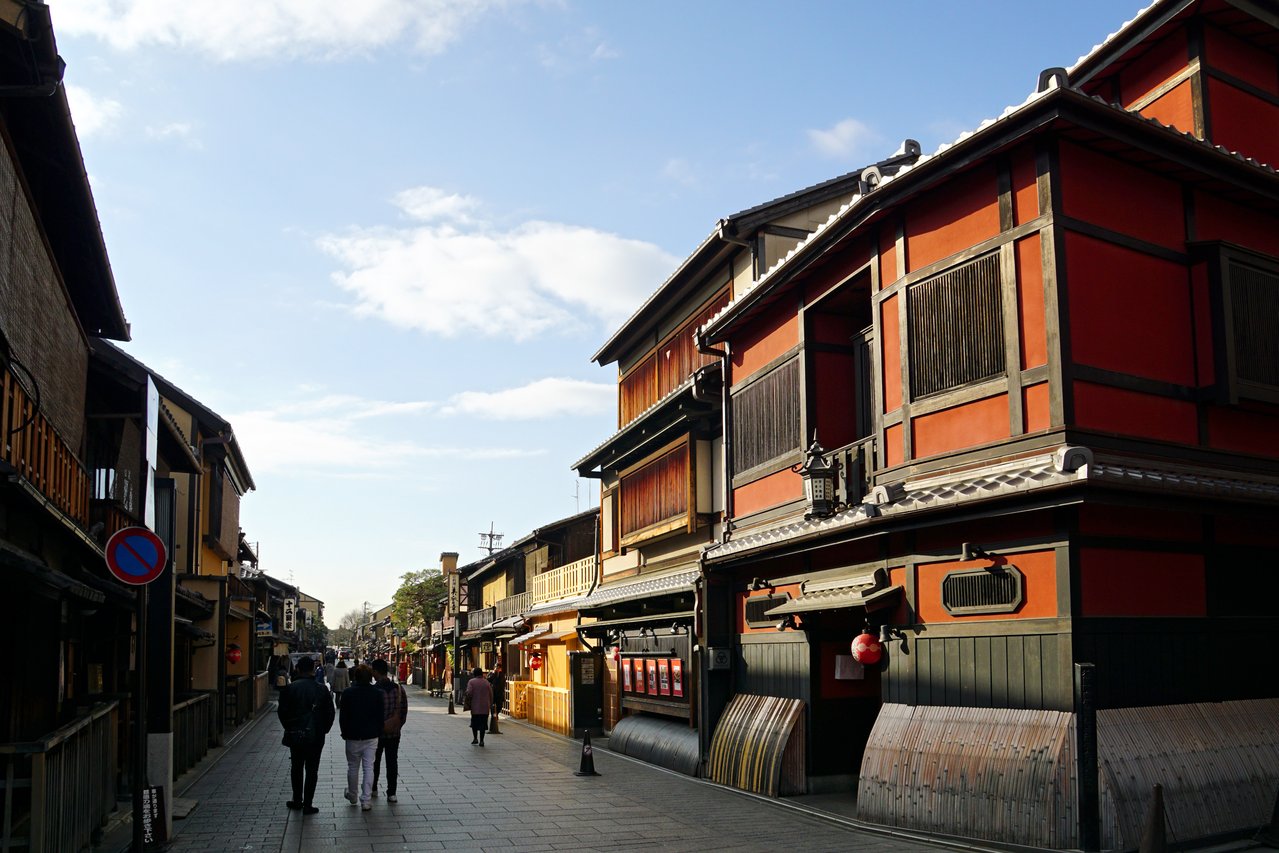
Gion district, Kyoto — the Hanamikoji lane lined with dark-red wooden machiya teahouses and hanging lanterns 5
Evening Walk Through Gion's Geisha District
祇園・舞妓 · Old wooden lanes, teahouses, maiko

Once the sun drops and the teahouse lanterns in Gion start to glow, Hanamikoji — the lane lined with century-old wooden machiya buildings — turns into another world. On some evenings you might glimpse a maiko (apprentice geisha) hurrying off to work. Honestly, an evening walking tour beats going it alone, because the guide tells you the history of the district, the life of a geiko, and leads you through respectfully. Important: never chase or touch a maiko, and note that some lanes ban photography and carry real fines. More at our Gion guide.

Price: Evening walking tour ¥3,000–5,000 (~฿660–1,100) per person
Time: From ~6 pm (when the maiko head out to work)
Getting there: Gion-Shijo station (Keihan Line) or Kawaramachi (Hankyu Line)
Book on Klook →
🚂6
Sagano Scenic Railway (Torokko)
嵯峨野トロッコ列車 · An old wooden train along the gorge

An old wooden carriage trundles slowly along the Hozugawa gorge between Saga and Kameoka in about 25 minutes — windows open to the breeze, the winding river and cliffs below you. In the autumn-leaves season (November) and at cherry-blossom time (April) it is so beautiful that people fight over the tickets. A one-way ride is only ¥880, but seats sell out fast in high season, so book ahead. Many people ride the train one way, then take the Hozugawa river boat back, seeing the gorge from both the rails and the water.

Price: ¥880 (~฿195) per person one way · children ¥440
Time: ~25 min (Saga ↔ Kameoka) · book up to 1 month ahead
Getting there: Board at Torokko Saga, next to JR Saga-Arashiyama station
Book on Klook →
🍢7
Nishiki Market Food Tour
錦市場グルメ · "The kitchen of Kyoto," over 400 m long

Locals call Nishiki Market "the kitchen of Kyoto" — a covered lane more than 400 metres long, crammed with old shops selling Kyoto pickles, grilled fish, sweet tamago omelette, takoyaki and curious little snacks you would never recognise without someone to introduce them. Wandering it yourself is fun, but a guided tour shows you which stalls are the good ones, what you absolutely must try, and the stories behind Kyoto's food culture. If you want to dig into Japanese food across the whole country, see our Japan food guide.

Price: Food tour ~¥5,000–10,000 (~฿1,100–2,200) per person
Time: ~2–3 hr · the stalls liven up from about 11 am
Getting there: ~3-min walk from Shijo station (Karasuma Line) / Karasuma (Hankyu Line)
Book on Klook →
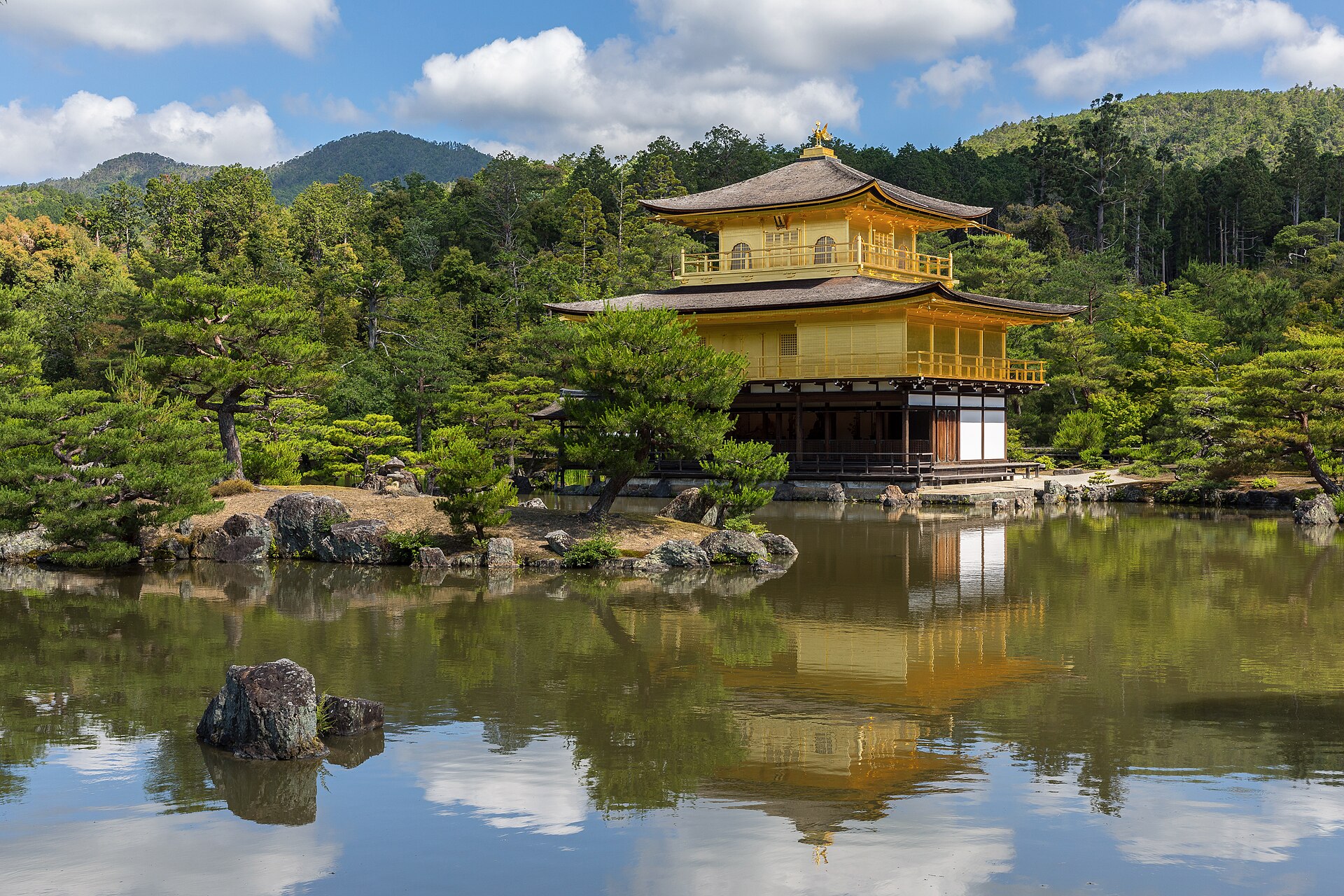
Kinkaku-ji, the Golden Pavilion, Kyoto — the gold-leaf-covered hall mirrored in the still Kyoko-chi pond, framed by pines and hills 8
Kinkaku-ji (Golden Pavilion) + Zen Garden Tour
金閣寺・庭園 · A gold hall mirrored in a still pond

A three-storey hall sheathed in gold leaf, reflected perfectly in the mirror-still Kyoko-chi pond — Kinkaku-ji is on every Kyoto postcard, and one look at the real thing tells you why. Admission to the temple itself is only about ¥500, but many people book a tour that bundles in other Zen temples such as Ryoan-ji (with its famous rock garden) in a single trip, so you get the gold pavilion and the art of the Kyoto Zen garden together. Go early or just before closing for fewer people than midday.

Price: Temple admission ~¥500 (~฿110) · multi-temple tours priced by package
Hours: Open 9 am–5 pm daily
Getting there: Bus from Kyoto station ~40 min (routes 101/205)
Book on Klook →
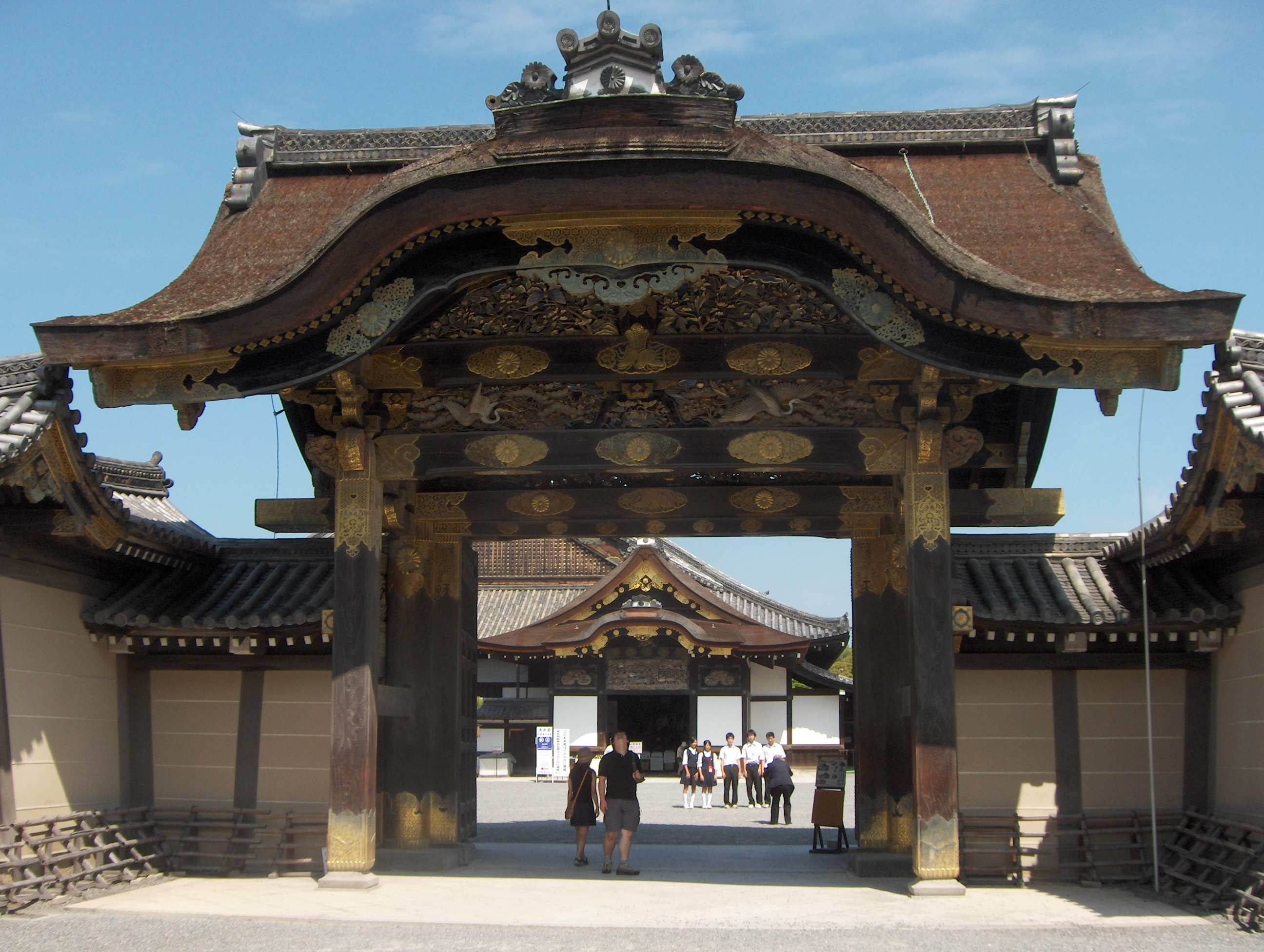
Nijo Castle, Kyoto — the carved, gilded Karamon gate, the entrance to the UNESCO-listed Ninomaru Palace 9
Samurai / Ninja Experience + Nijo Castle
サムライ・忍者体験 · Dress up, learn the sword, a World Heritage castle

Ever wanted to be a Japanese warrior for an afternoon? A samurai/ninja class in Kyoto kits you out in costume and teaches you how to handle a katana, throw shuriken and move through the traditional fighting forms — great fun, endlessly photogenic, and good for couples and families alike. If you would rather lean into the real history, drop by Nijo Castle in the city centre: the Ninomaru Palace has "nightingale floors" that chirp when you walk on them, built to thwart intruders, and it is a World Heritage site you can see in half a day.

Price: Samurai/ninja class ~¥2,500–4,500 · Nijo Castle ¥800 (¥1,300 with the palace)
Hours: Nijo Castle open 8.45 am–5 pm (last palace entry ~4 pm)
Getting there: Nijo Castle = Nijojo-mae station (Tozai Line), right at the gate
Book on Klook →
Plan the rest: To explore Kyoto's temples and old districts with no booking required, see our Kyoto attractions guide — the best free or walk-yourself sights.
Plan it properly

Slot the experiences into a rhythm

Some need booking weeks ahead, some are best at dawn — here is how to order them to get the most out of Kyoto.

Book before you leave home
Sagano railway · kimono · tea ceremony in high season

The Sagano scenic railway opens for booking one month before your travel date, and seats vanish fast during autumn-leaves season (November) and cherry-blossom season (April). The same goes for kimono rentals and tea ceremonies, which are worth locking in ahead in high season. Booking early pays off.

Book ahead: Torokko · kimono · tea ceremony · High season: April (blossom) · November (autumn leaves)
Cluster what's on the same side of town
West side: Arashiyama + Sagano + Kinkaku-ji

Kyoto rewards you for not zig-zagging across the city. Give one day to the west — the Arashiyama bamboo grove, the Sagano railway, the Hozugawa river boat, then on to Kinkaku-ji. Give another to the east — Higashiyama, Kiyomizu and Gion, in a kimono.

Time: ~1 day per side · Tip: Many east-side spots are within walking distance of each other
Free sights at dawn, paid ones midday
Fushimi Inari + the bamboo grove before 8 am

Fushimi Inari and the Arashiyama bamboo grove are free and open 24 hours — go before 8 am for crowd-free photos and no ticket cost. Save the paid things (temples, classes, tours) for the middle of the day, when they open anyway.

Go early: Fushimi Inari · bamboo grove · Midday: temples / classes / tours
Keep Gion for the evening
A beautiful way to close a day · be respectful

Gion is at its most beautiful after 6 pm, when the lanterns come on — a perfect way to round off a day. An evening walking tour gives you the stories and keeps the walk respectful. To see where you can wander on your own, check our Kyoto attractions guide.

Time: Evenings from ~6 pm · Tip: Never chase a maiko for a photo
Frequently asked

FAQ · Before you book

How much does it cost to rent a kimono in Kyoto, and should I book ahead?
Most kimono-rental shops around Kiyomizu and Higashiyama start at roughly ¥3,000–5,000 (~฿660–1,100) for a full day, including the garment, the obi sash and accessories. Some add ¥1,500–2,000 for hair styling. During the autumn-leaves season (November) and cherry-blossom season (late March–April) it gets very busy, so book online in advance and pick up your outfit early in the morning to give yourself time to walk and take photos before the crowds arrive.
Is a Kyoto tea ceremony suitable for first-timers?
Very much so. Most classes aimed at international visitors are in the Gion district, with English-speaking hosts who explain each step of the way of chado at an unhurried pace. Prices are around ¥3,000–6,000 (~฿660–1,320) and the core ceremony itself takes under an hour. More expensive packages often bundle in a kimono rental or an extra cultural activity. For a deeper look, see our Japanese tea ceremony guide →
Are the Arashiyama bamboo grove and Fushimi Inari shrine free to enter?
Both are free and open 24 hours. The Arashiyama bamboo grove is about a 10-minute walk from JR Saga-Arashiyama station (roughly 11 minutes from Kyoto station on the JR Sagano Line), while at Fushimi Inari you can walk up the red torii tunnels at any time; the shops open 9 am–5 pm. Visit both at dawn or near dusk to dodge the crowds and get the best photos. A guided tour adds the history and shows you the quieter trails.
Do I need to reserve a seat on the Sagano Scenic Railway (Torokko) in advance?
You should. A one-way ticket is ¥880 (~฿195) per person, and bookings open one month before your travel date. During the autumn-leaves and cherry-blossom seasons seats sell out very fast. The train runs alongside the Hozugawa gorge from Saga to Kameoka in about 25 minutes. A popular plan is to ride the Torokko one way, then take the Hozugawa river boat (about ¥6,000) back down to Arashiyama.
What etiquette should I watch for when looking out for geisha in Gion?
Never chase or touch a geiko or maiko on their way to work. Some lanes in Gion ban photography outright and carry real fines. The best approach is an evening walking tour where the guide tells the story of the Hanamikoji district and leads you through respectfully. Most tours cost ¥3,000–5,000 (~฿660–1,100). For more on the district, see our Gion guide →
How much is admission to Kinkaku-ji and Nijo Castle?
Kinkaku-ji (the Golden Pavilion) costs around ¥500 (~฿110) and opens 9 am–5 pm. Nijo Castle is ¥800 for the grounds, or ¥1,300 including the Ninomaru Palace, open 8.45 am–5 pm (last palace entry around 4 pm). A dress-up samurai/ninja experience with sword training is a separate activity, roughly ¥2,500–4,500 depending on the package. Prices may change in 2026, so check the latest before you go.
Klook · Kyoto Activities
Book Kyoto experiences on Klook — kimono rental, tea ceremony, tours, all in one place

Rent a kimono in Higashiyama, a tea ceremony in Gion, Arashiyama–Fushimi Inari tours, the Sagano scenic railway, samurai/ninja classes — book ahead on Klook and skip the queue at the door.

Browse all Kyoto activities on Klook →
Wherebest is an affiliate partner of Klook — we may earn a commission when you book through our links, at no extra cost to you.