Book first — no regrets
Ordered by how often people rave about them afterwards — with price ranges, timings and how to get there.
 1
1
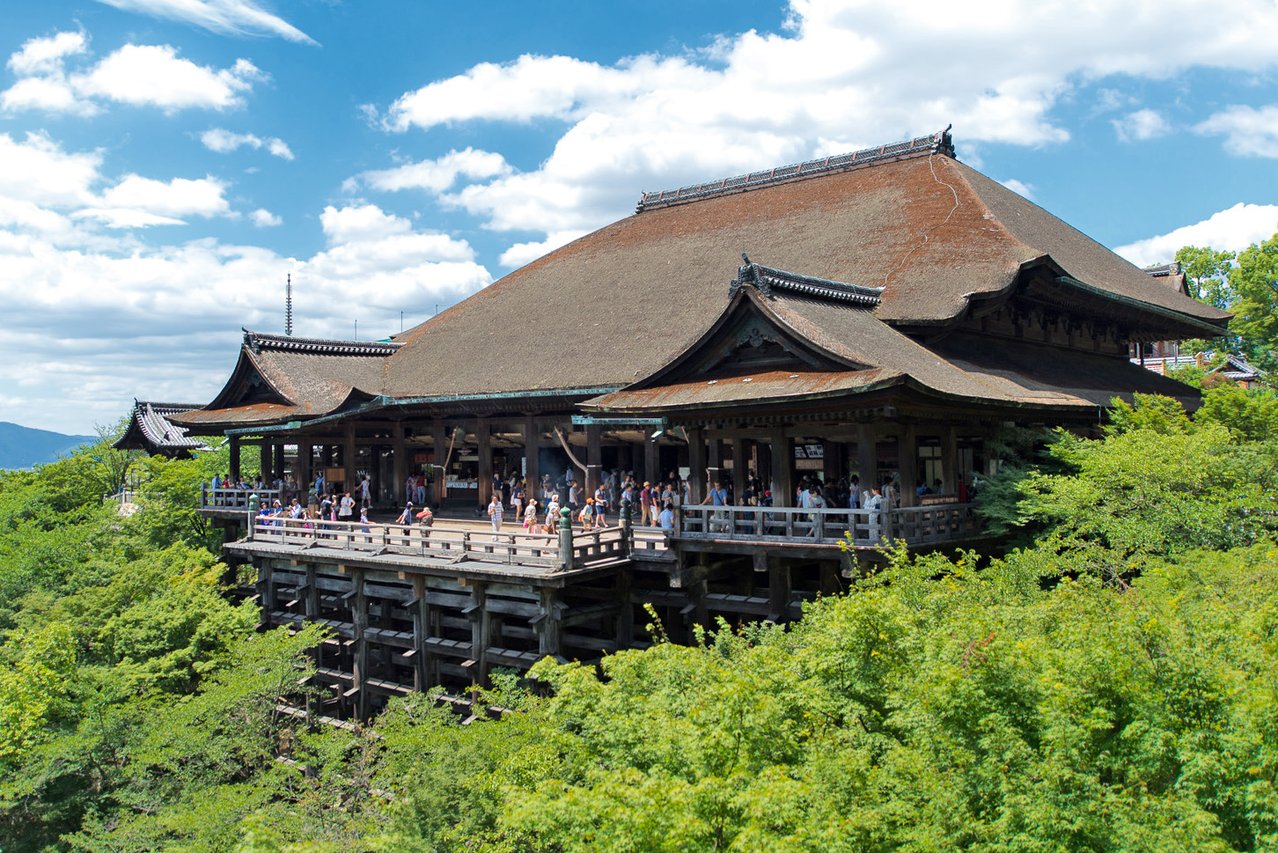
You have seen the photo — someone in a kimono on an old stone lane with a pagoda behind them. That is the Higashiyama district around Kiyomizu-dera. Rent an outfit at a shop near the station, choose a pattern you like, let the staff dress you and set your hair, then head out to take photos along Sannenzaka and Ninenzaka, stone slopes that feel like a step back into the Edo period. Honestly, if you are coming to Kyoto at all, it is well worth doing once. Collect your outfit early in the day so you have time to walk before the crowds arrive.
Book on Klook →Picture a small tatami room, so quiet you can hear the water come to the boil, as the host slowly whisks the matcha into a froth and offers you the bowl with both hands — that is the heart of the tea ceremony Kyoto has practised for hundreds of years. Most classes for visitors are in the Gion district, with an English-speaking host who walks you through every step without any pressure, and you get to whisk a bowl yourself. It is calmer and more memorable than you might expect. For a deeper dive, read our Japanese tea ceremony guide.
Book on Klook →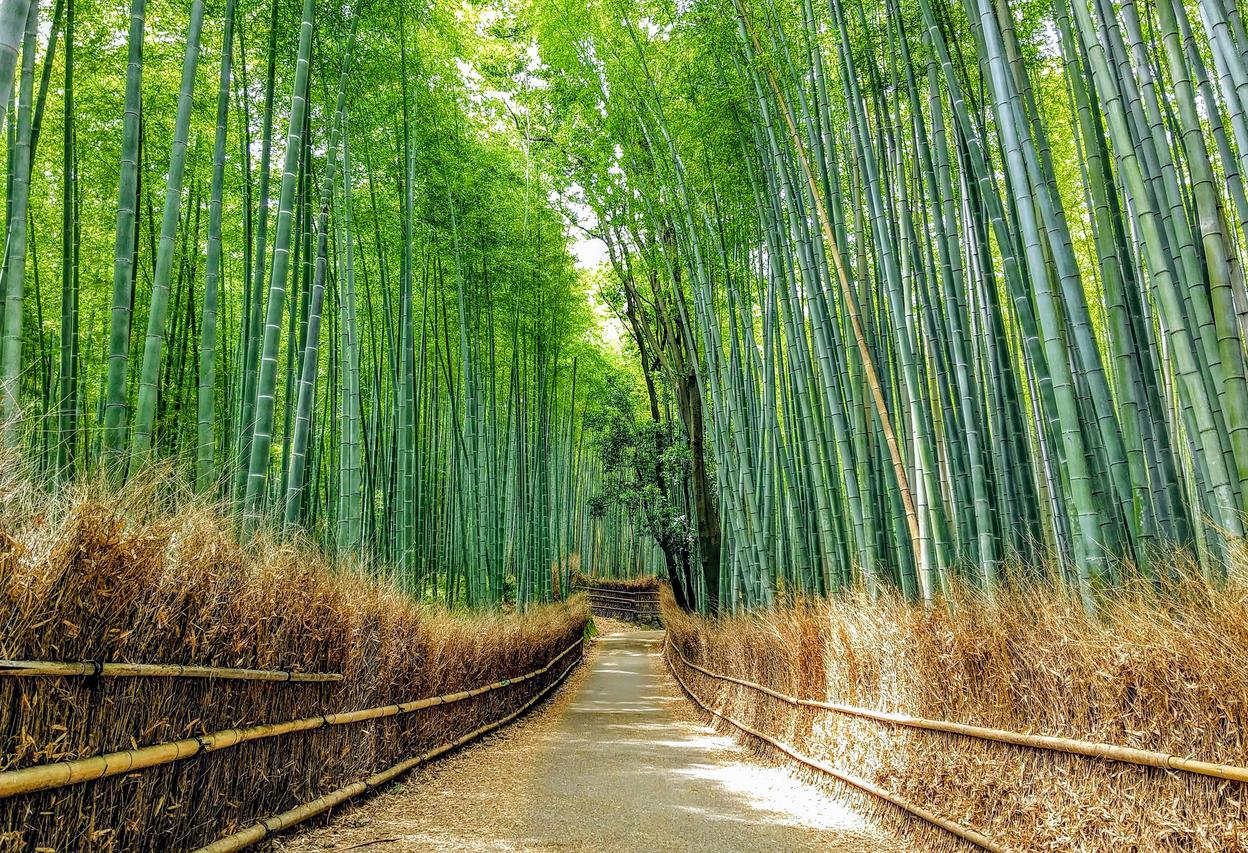 3
3
The Arashiyama bamboo grove is the image everyone pictures when they think of Kyoto — walking beneath towering bamboo, the stalks creaking against each other in the wind in a sound the Japanese government has officially listed among its "100 soundscapes to preserve." The grove itself is free, but what many people book is a tour that combines the Sagano scenic railway with a Hozugawa river-boat ride (about ¥6,000) back down — the grove, the gorge and the river all in one trip. Go early in the morning to get the shots before it fills up. More at our Arashiyama guide.
Book tour on Klook →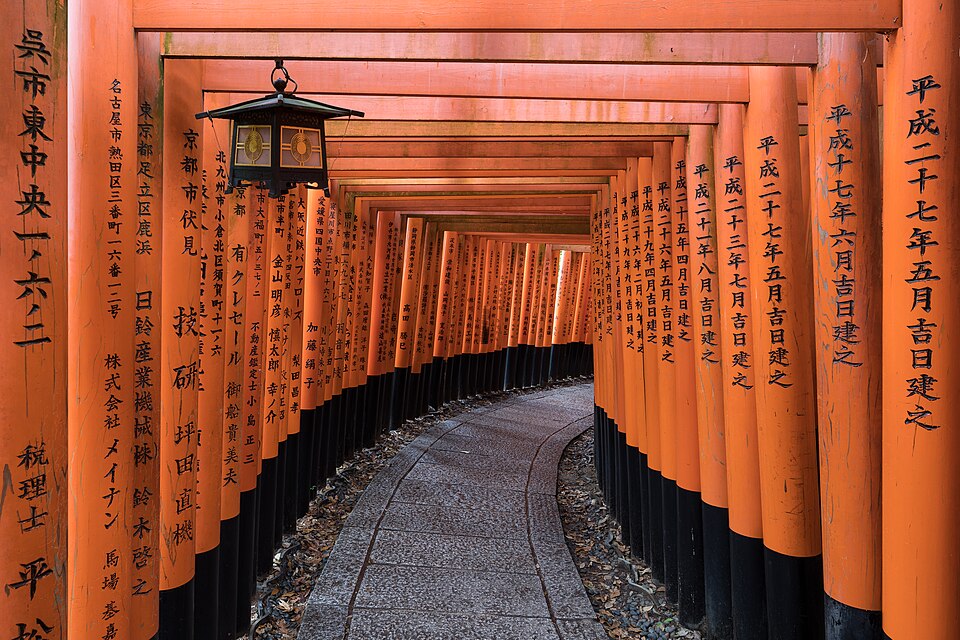 4
4
Thousands of vermilion torii gates threading up Mount Inari — the Senbon Torii here is the image of Japan everyone wants to see for themselves. The shrine is free and open 24 hours, but the trick is to arrive before 8 am or near dusk; by mid-morning it is so packed that photos are hard. Many people book a guided tour that explains the legend of Inari (the deity of rice and prosperity) and takes you up the quieter trails. More at our Fushimi Inari guide.
Book tour on Klook →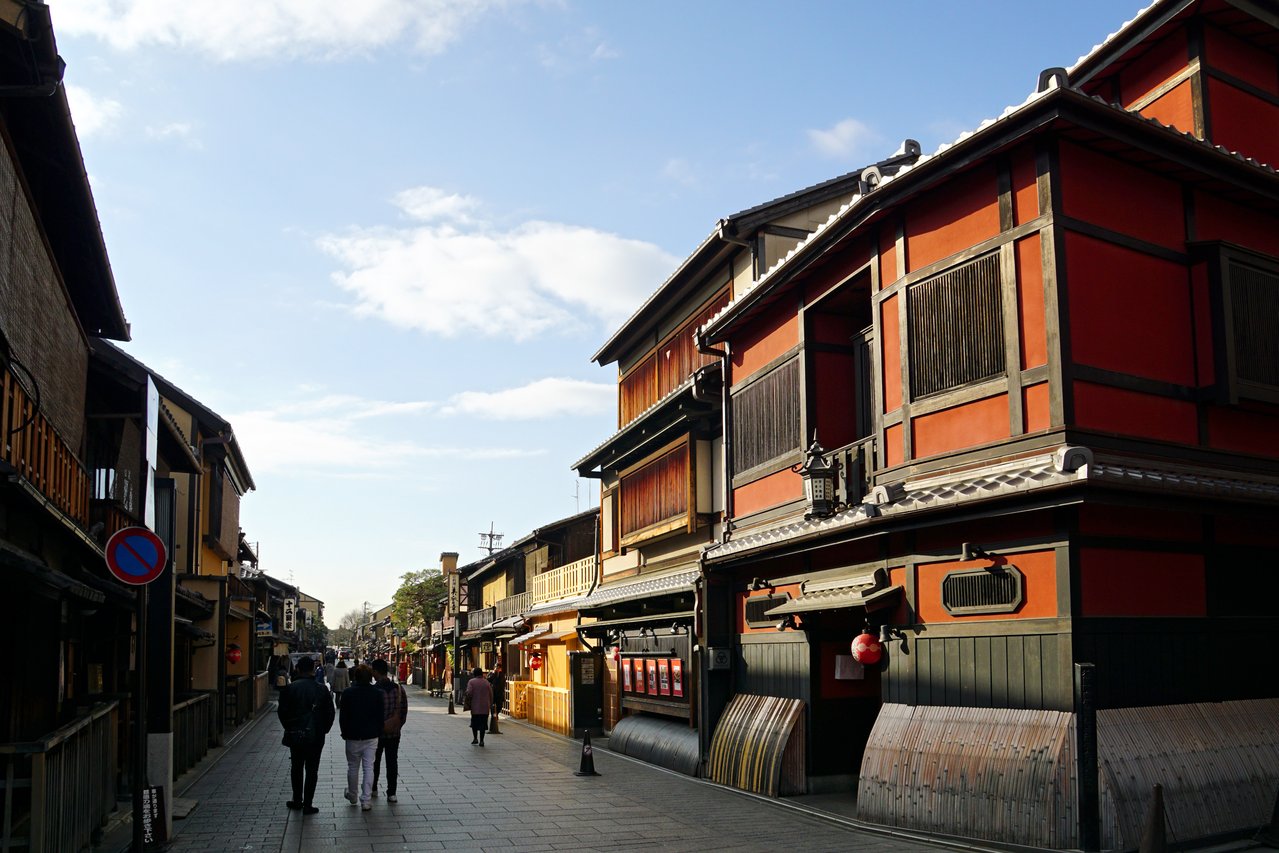 5
5
Once the sun drops and the teahouse lanterns in Gion start to glow, Hanamikoji — the lane lined with century-old wooden machiya buildings — turns into another world. On some evenings you might glimpse a maiko (apprentice geisha) hurrying off to work. Honestly, an evening walking tour beats going it alone, because the guide tells you the history of the district, the life of a geiko, and leads you through respectfully. Important: never chase or touch a maiko, and note that some lanes ban photography and carry real fines. More at our Gion guide.
Book on Klook →An old wooden carriage trundles slowly along the Hozugawa gorge between Saga and Kameoka in about 25 minutes — windows open to the breeze, the winding river and cliffs below you. In the autumn-leaves season (November) and at cherry-blossom time (April) it is so beautiful that people fight over the tickets. A one-way ride is only ¥880, but seats sell out fast in high season, so book ahead. Many people ride the train one way, then take the Hozugawa river boat back, seeing the gorge from both the rails and the water.
Book on Klook →Locals call Nishiki Market "the kitchen of Kyoto" — a covered lane more than 400 metres long, crammed with old shops selling Kyoto pickles, grilled fish, sweet tamago omelette, takoyaki and curious little snacks you would never recognise without someone to introduce them. Wandering it yourself is fun, but a guided tour shows you which stalls are the good ones, what you absolutely must try, and the stories behind Kyoto's food culture. If you want to dig into Japanese food across the whole country, see our Japan food guide.
Book on Klook →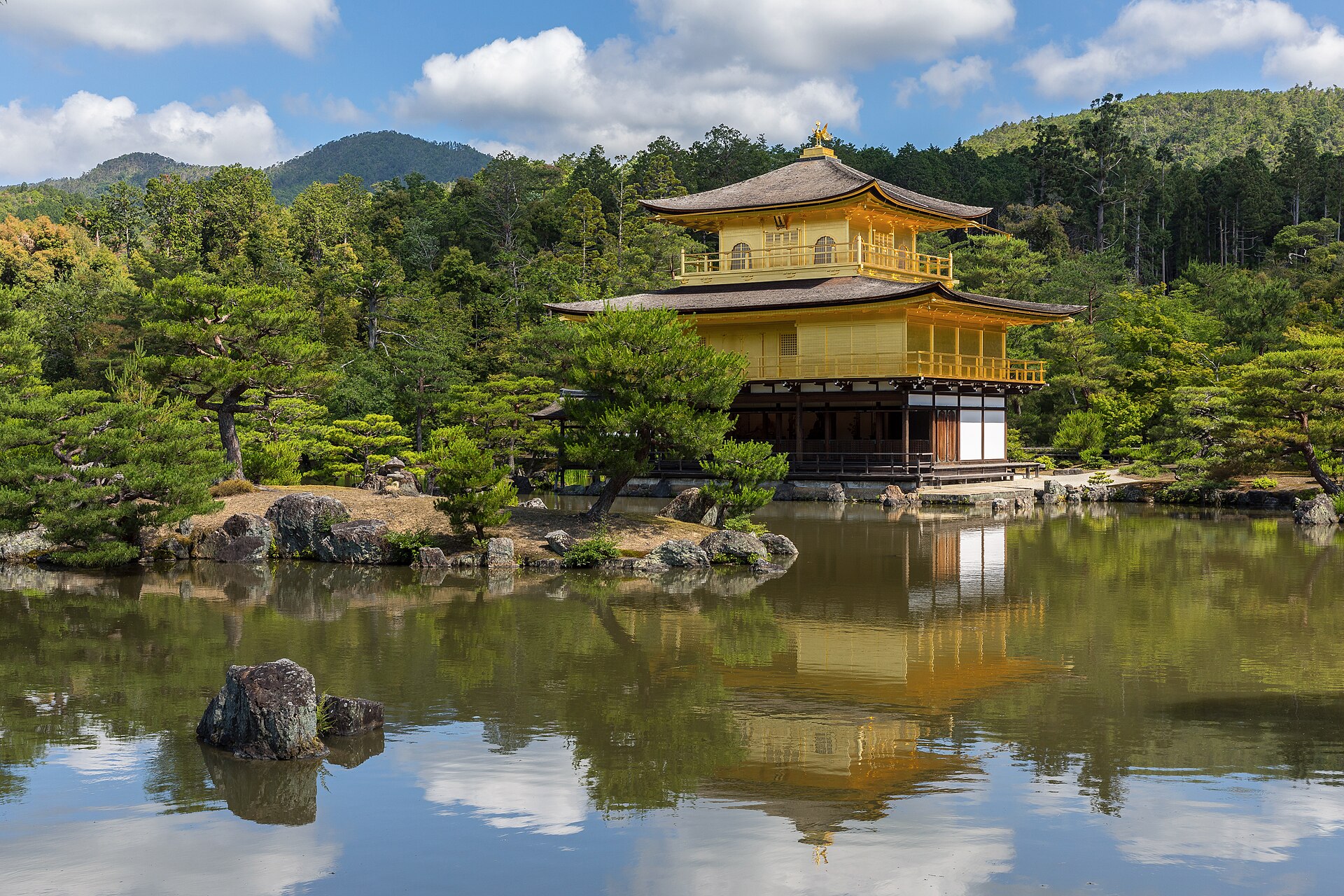 8
8
A three-storey hall sheathed in gold leaf, reflected perfectly in the mirror-still Kyoko-chi pond — Kinkaku-ji is on every Kyoto postcard, and one look at the real thing tells you why. Admission to the temple itself is only about ¥500, but many people book a tour that bundles in other Zen temples such as Ryoan-ji (with its famous rock garden) in a single trip, so you get the gold pavilion and the art of the Kyoto Zen garden together. Go early or just before closing for fewer people than midday.
Book on Klook →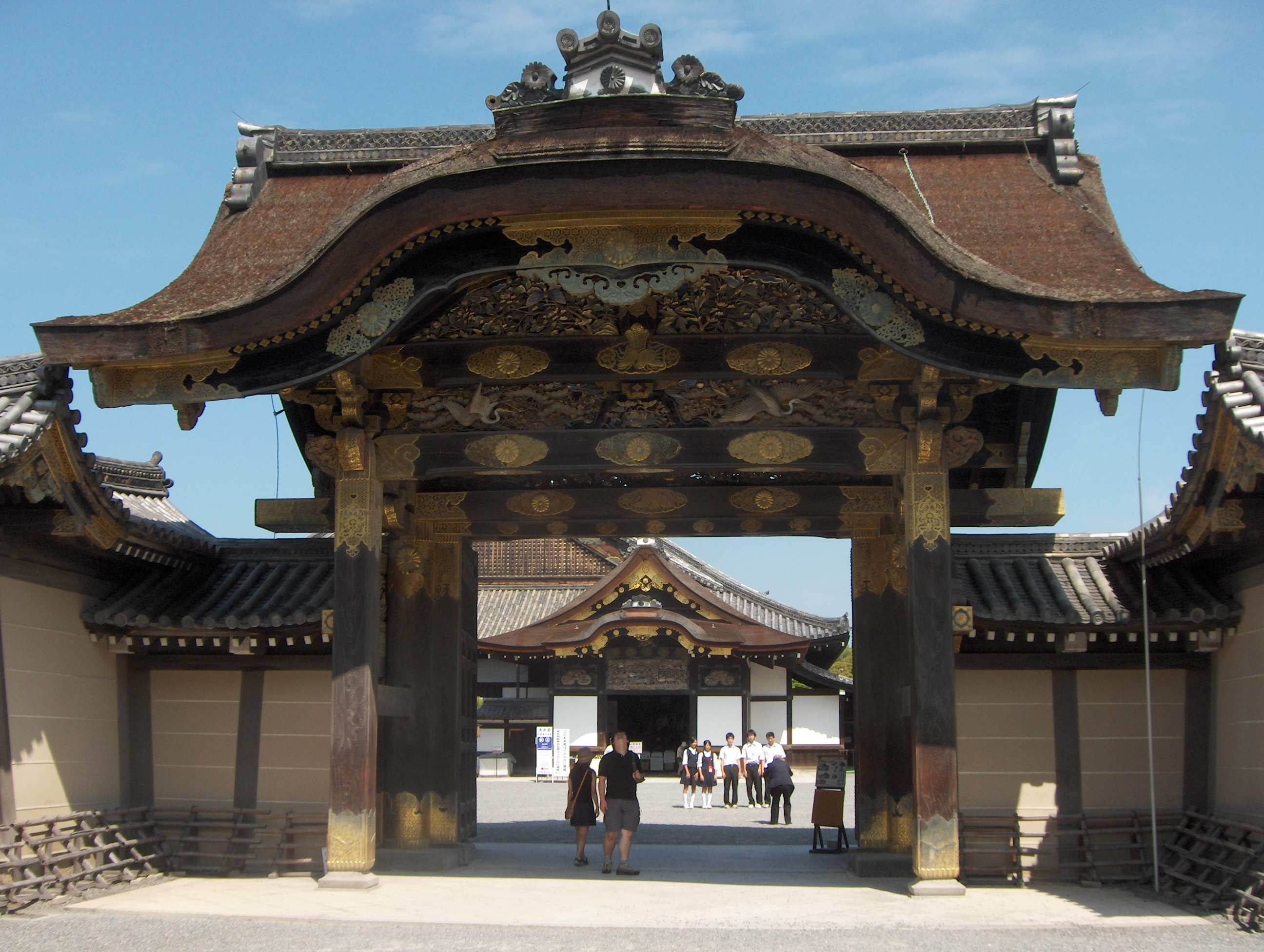 9
9
Ever wanted to be a Japanese warrior for an afternoon? A samurai/ninja class in Kyoto kits you out in costume and teaches you how to handle a katana, throw shuriken and move through the traditional fighting forms — great fun, endlessly photogenic, and good for couples and families alike. If you would rather lean into the real history, drop by Nijo Castle in the city centre: the Ninomaru Palace has "nightingale floors" that chirp when you walk on them, built to thwart intruders, and it is a World Heritage site you can see in half a day.
Book on Klook →