Book ahead — and you won't regret it
Ranked by how often people single them out as a trip highlight — with 2026 prices and how to get there by train.
 1
1
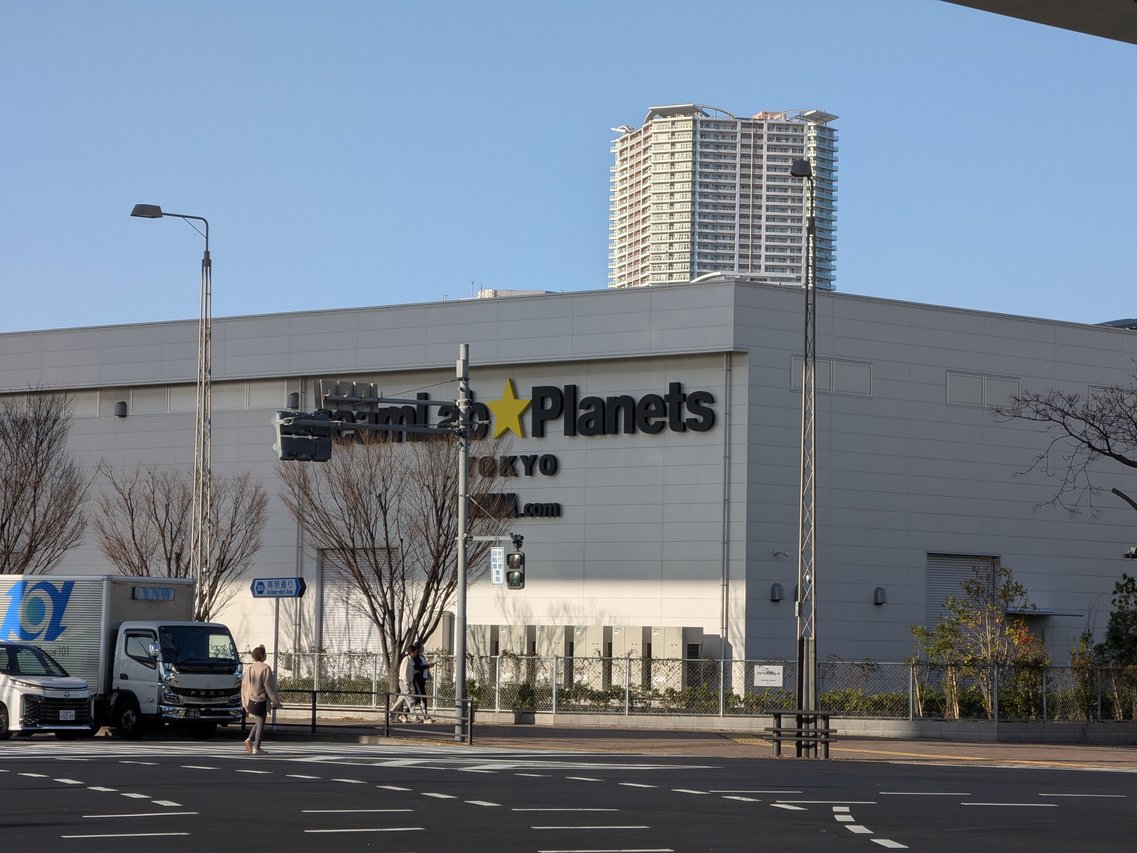
Picture walking barefoot through shallow water that shimmers with digital koi swimming around your legs, or standing in the middle of a room where flowers bloom and fall endlessly all around you, 360 degrees — that is teamLab. In 2026 there are two venues: Planets in Toyosu (the wade-through-water version, ideal for first-timers and families) and Borderless at Azabudai Hills (a borderless maze of art rooms you explore on foot). Both use timed-entry tickets that regularly sell out, so book before you go.
Book on Klook →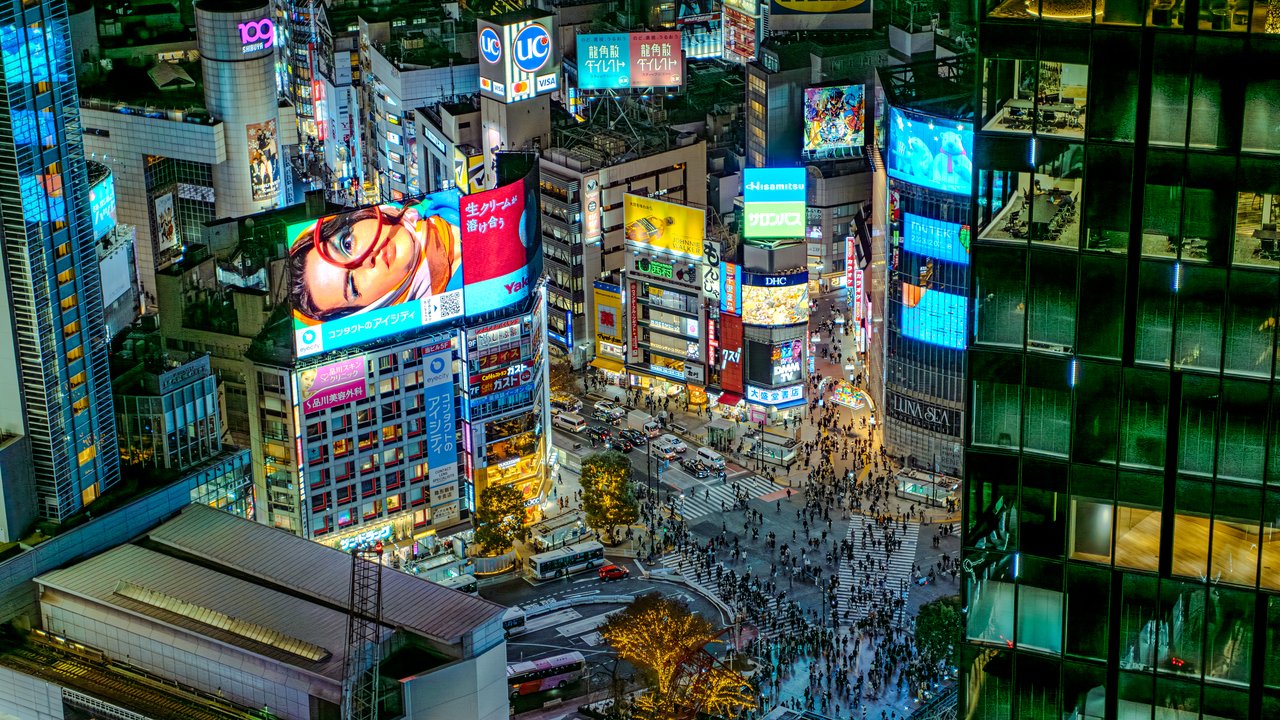 2
2
On the 46th floor of Shibuya Scramble Square is an open-air rooftop with no glass barrier — the wind hits your face for real. Look down and you see the Shibuya Crossing, where hundreds of people surge across at once like a tide, against a skyline of towers stretching far into the distance; on a clear day you can see Mt Fuji too. The sunset slot is the most beautiful and sells out fast. Tickets on the official site can be booked up to four weeks ahead.
Book on Klook →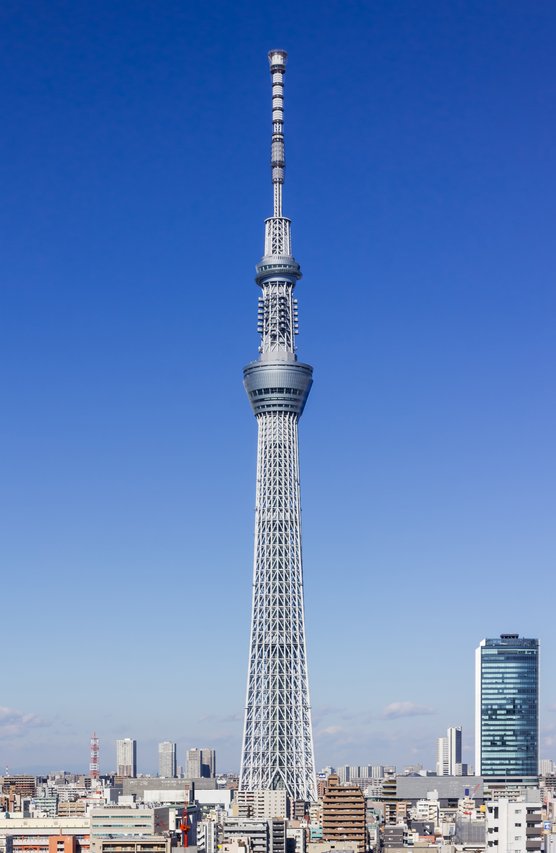 3
3
634 metres — the tallest tower in Japan. Take the lift up to the Tembo Deck viewpoint at 350 metres and Tokyo stretches out as far as you can see; on a clear day Mt Fuji appears too. If you want to go higher there is the Tembo Galleria skywalk at 450 metres for a little extra. The base of the tower is the Tokyo Solamachi mall and an aquarium, so you can easily spend the whole day here — prices vary by day, with weekends dearer than weekdays.
Book on Klook →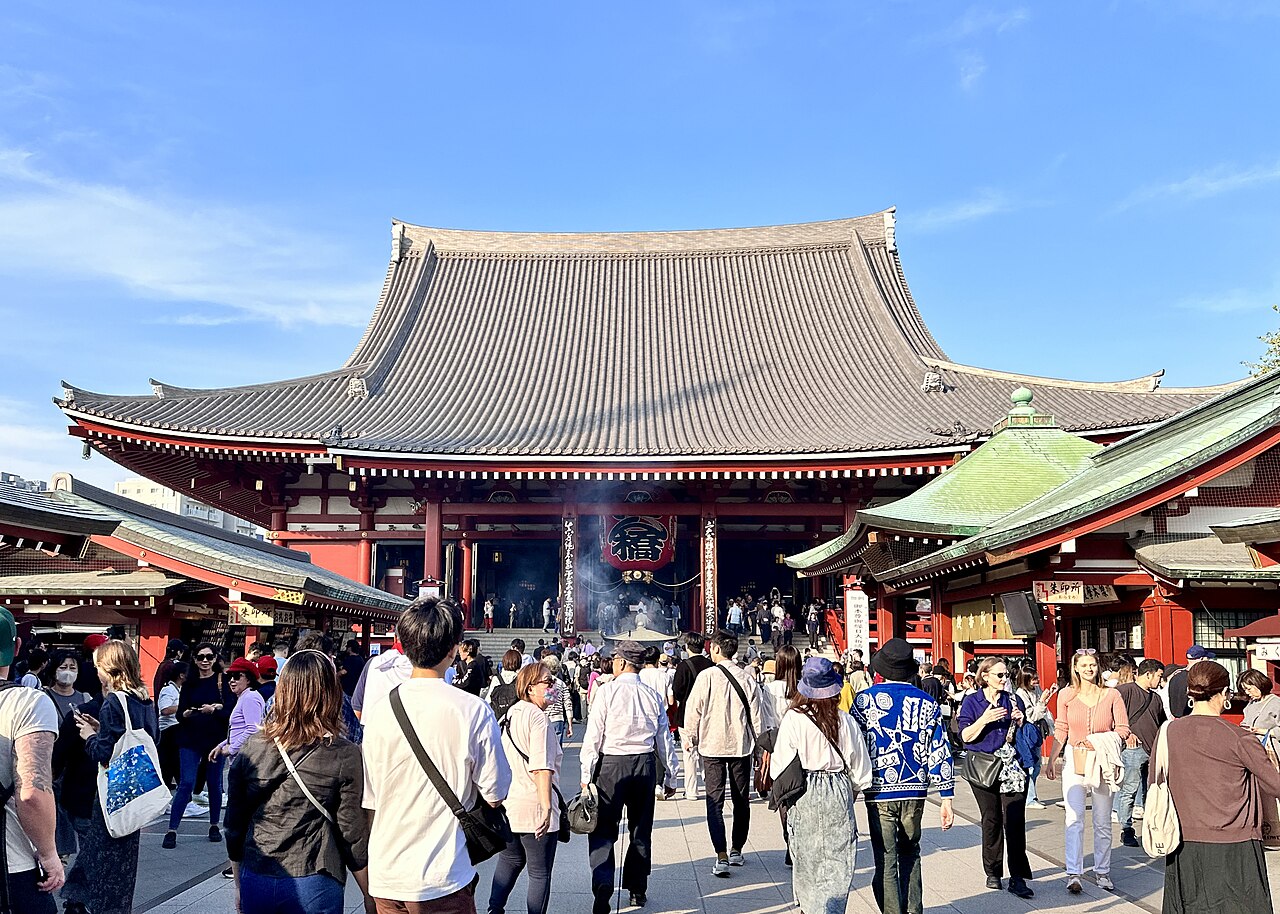 4
4
Asakusa is where the flavour of old Tokyo survives most intact. Put on a kimono and walk through the giant red lantern of the Kaminarimon gate, down Nakamise street with its old-fashioned sweet stalls, all the way to the Senso-ji main hall — the photos come out looking like you stepped back in time. Rental shops have plenty of patterns to choose from and dress you (and style your hair) for you. Some people add a rickshaw (jinrikisha) ride, with the puller telling you stories about the neighbourhood as you go. Most outfits are returned the same evening.
Book on Klook →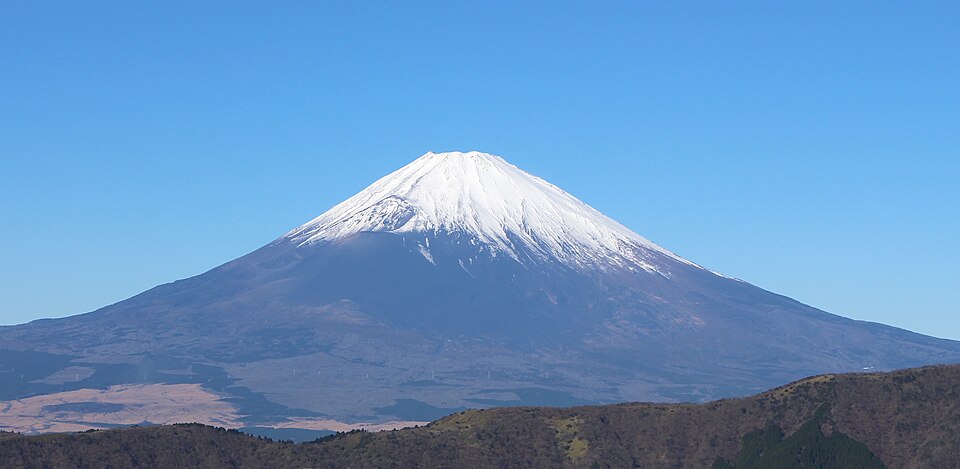 5
5
If you want to see Mt Fuji up close but don't fancy the headache of changing trains several times, a day tour from Tokyo is the shortcut. A coach picks you up in the city centre and drives you up to Fuji's 5th Station (weather permitting), stops at Lake Ashi in Hakone for a pirate-ship cruise, takes the Owakudani ropeway up to the sulphur vents, and some tours stop at the Gotemba outlets too. You're back in Tokyo by evening — ideal if you're short on time but want to fit Fuji into a quick trip.
Book the tour on Klook →Tokyo has two Disney parks side by side. Disneyland is the classic, family-friendly, first-visit option, while DisneySea has a sea-and-adventure theme that exists nowhere else on earth (2024 brought the new Fantasy Springs area). Be warned — weekends get extremely crowded, so buy date-specific tickets in advance and load the Tokyo Disney Resort app to reserve ride queues. Ticket prices vary by date; weekdays outside the school holidays are noticeably cheaper.
Book tickets on Klook →The clap of hands, the stamp of feet, and then two giants collide in a matter of seconds — live sumo has an energy you cannot get on a screen. The Grand Sumo tournament in Tokyo is held at the Ryogoku Kokugikan arena three times a year — January, May and September (15 days each). Good seats sell out fast, so book the moment they open. If you visit when there is no tournament, you can still take a tour to watch morning practice (asageiko) at a sumo stable, or a tour with a demonstration plus chanko-nabe.
Book on Klook →Driving a little go-kart in a cartoon costume along real streets through districts like Shibuya and Akihabara, or past Tokyo Tower, is the kind of sight that makes tourists reach for their cameras. It's huge fun, but you must have your documents ready, because these karts run mixed in with regular traffic on public roads. A guide leads the convoy and there are photo stops the whole way, with a choice of routes and durations.
 9
9
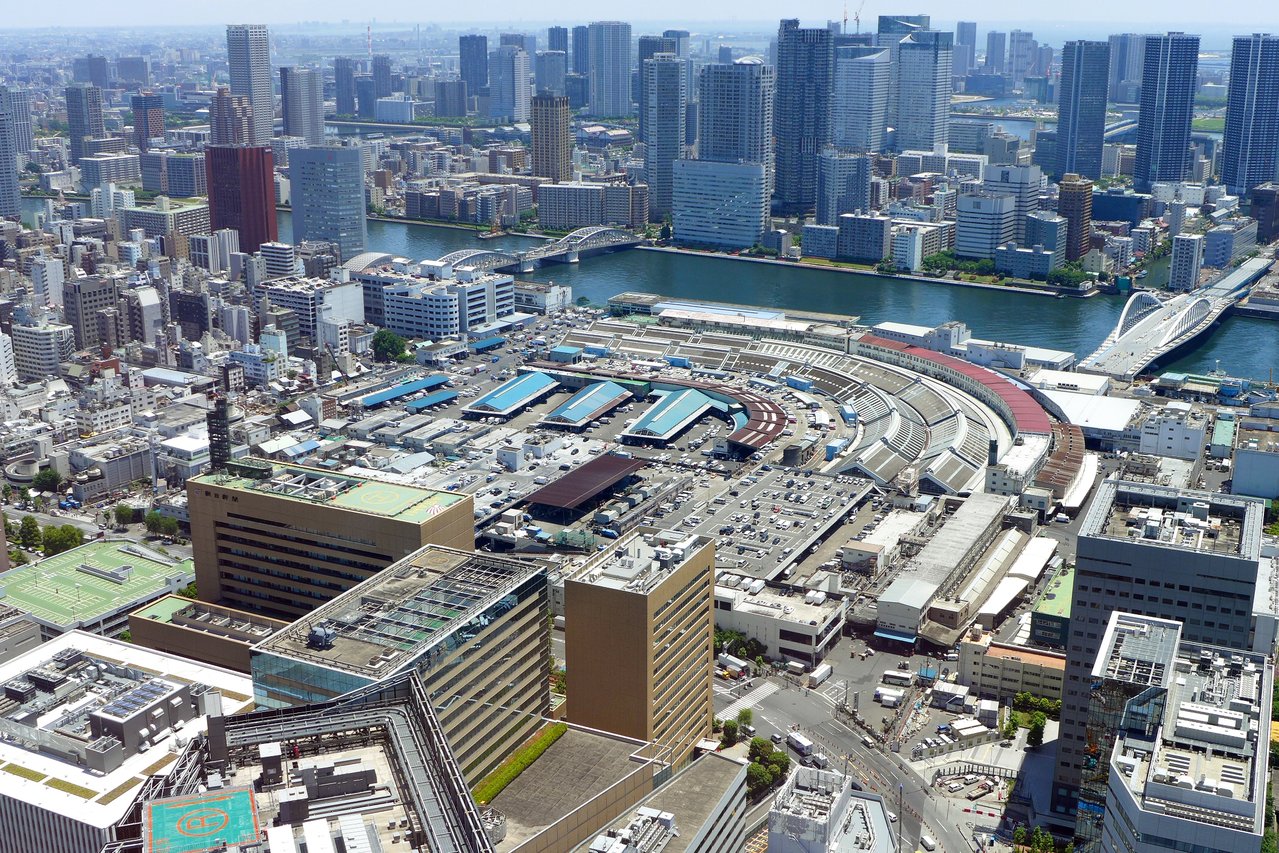
The wholesale fish market has moved to Toyosu, where you can watch the early-morning tuna auction. The Tsukiji (outer market) district, meanwhile, is still buzzing with rows of food stalls. A tasting tour walks you from shop to shop — skewered sweet tamagoyaki, thick-cut sushi, grilled scallops — with a guide who explains the ingredients along the way. You can certainly do it on your own, but a guide keeps you from getting lost and steers you to the places locals actually eat.
Book the tour on Klook →